Doughy delicacy: A matter of artistic taste
· 2026-06-11 17:04:52原标题:Doughy delicacy: A matter of artistic taste Jiaodong huabobo shapes the way Shandong natives express good wishes
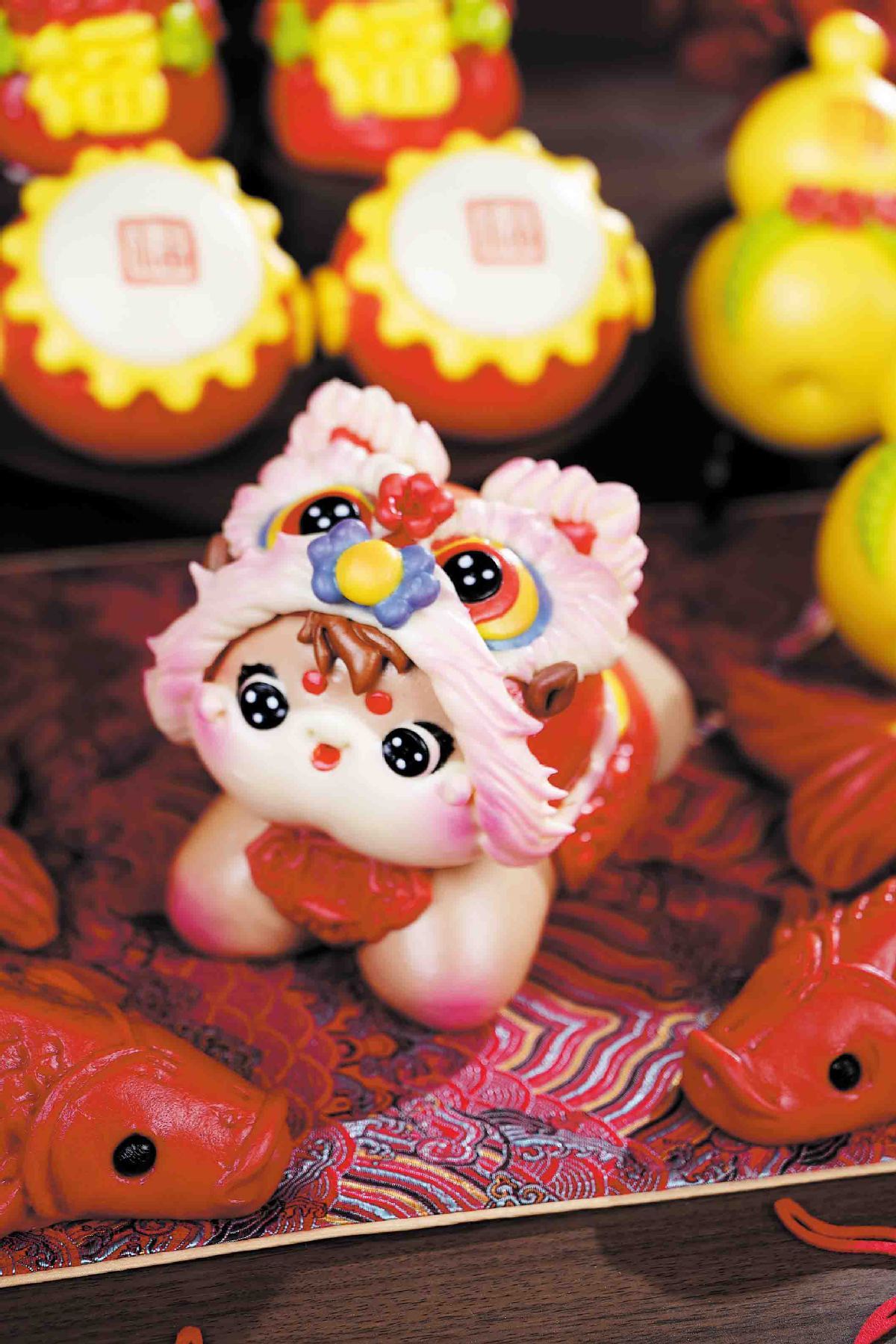
Jiaodong huabobo,元谋新闻网智网 or flowershaped buns. CHINA DAILY
On any given morning in Jiaodong, in China's eastern Shandong province, something extraordinary is happening inside steamer baskets. A lump of dough goes in. What comes out is a shiny red fish, an auspicious lion with a flowing mane, or a peach the size of a child's face, blushing pink as if freshly picked.
These are Jiaodong huabobo, or flower-shaped buns, quietly serving up a taste of Shandong life for centuries. For travelers passing through, they are the first hint that Chinese bread is anything but ordinary.
Gai Yaping, 41, a city-level inheritor of the Jiaodong huabobo intangible cultural heritage from Yantai, said, "Tourists from overseas usually say: 'This is beautiful. But … can we actually eat it?'"
The answer, of course, is yes.
"We once made a pigshaped bun for some guests. When they broke it open and found little dough 'piglets' inside, they were utterly amazed,"Gai recalled.
Jiaodong huabobo is the storyteller for Shandong's rituals. "It is made for many occasions: festivals, Chinese New Year, weddings, funerals, moving in to a new house and business openings,"Gai said.
When a baby turns one month old, families gift tiger-shaped buns, a blessing for the child to grow strong and healthy. For grandparents celebrating longevity, peachshaped buns emerge from the steamer to symbolize long life. At weddings, peonies, dragons, phoenixes and mandarin ducks are served up to convey love.
In Shandong, huabobo deliver messages. "We don't send greeting cards for occasions. We celebrate important occasions with buns,"Gai said.
Most designs follow customs passed down through generations. While the traditions are ancient, the craft itself has evolved.
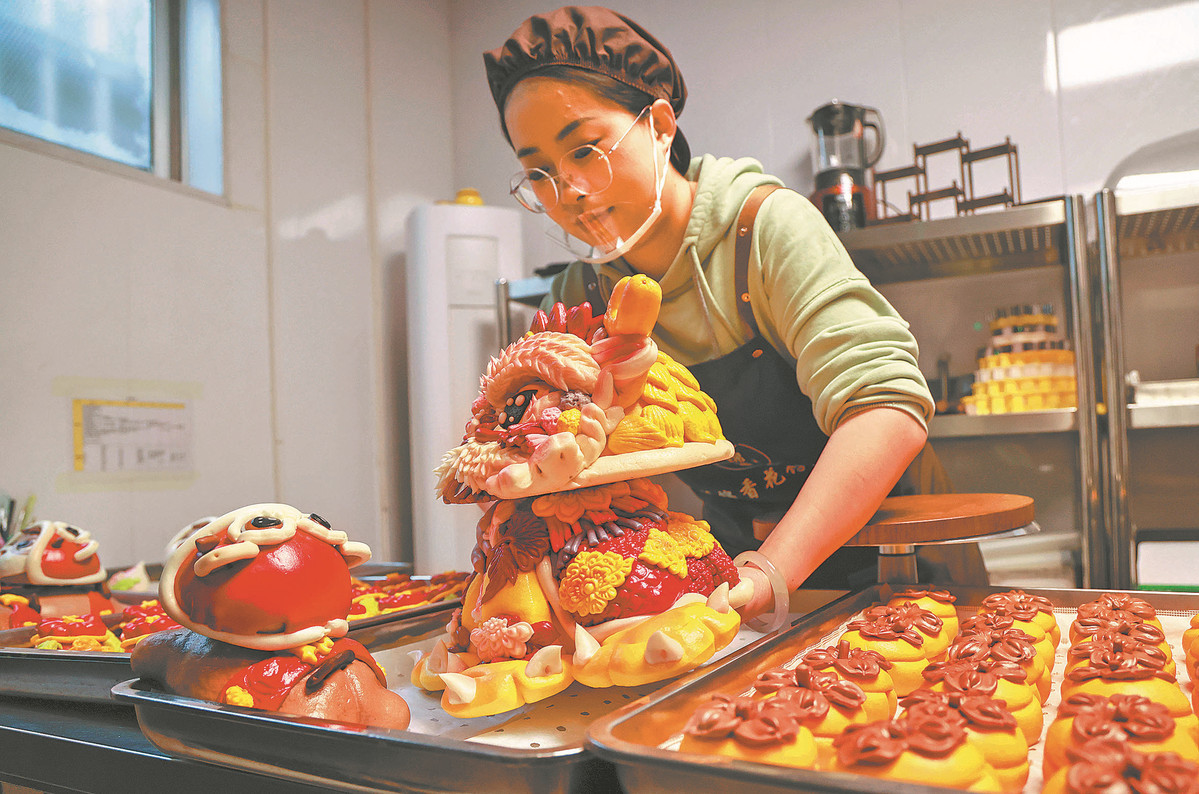
Shop owner Li Yanan arranges freshly steamed huabobo, or flower-shaped bun, at her shop in Linyi, Shandong province, on Feb 4. XU CHUANBAO/FOR CHINA DAILY
"Today's huabobo is more vibrant. We were limited before. We didn't have tools to extract colorful juices all year round. Most buns were white. Now, we can use spinach for green or pumpkin for yellow," Gai said.
The creation process is profoundly hands-on.
"The main method is hand sculpting, using simple tools like scissors, chopsticks and spoons," Gai said.
Mastering it requires patience. There is no fixed timeline. Some people have natural dexterity, while others do not. Generally, one or two years of practice are needed, she added.
But true mastery lies not just in shaping, but also in an intangible, critical step: allowing the dough to ferment.
"The shaping itself isn't standardized. It's handcrafted, not machine-made. But the fermentation has a standard," Gai said.
"No matter how beautiful the sculpting is, if the fermentation fails, everything is ruined."
"We adjust the steaming time based on size. A 500-gram bun might steam for over an hour, while a 50-gram bun needs 10 minutes."
Her craftsmanship has helped her online business attract customers nationwide and from abroad.
Online, huabobo shops have gained popularity. On shopping platforms like JD.com and Taobao, customers have left glowing reviews: "Bought it for my dad's birthday. It's more practical and prettier than a cream cake."
Another wrote: "A total hit at the birthday dinner, delicious, beautiful and elegant. Perfect for anyone who isn't into cake."
"If you take one home, please don't just leave it on a shelf. Eat it," Gai said. "We want the art to be beautiful to look at, and even better to taste."
文章推荐:
重磅投产!40万吨增值氮肥项目一次开车成功 为粮食安全再添“压舱石”
话剧《磁州窑》石家庄首演 浓郁地方民俗文化讲述千年磁州窑文脉